
Frozen food bags play a crucial role in protecting food products during storage and transportation. The strength of the seals used in these bags is critical to ensuring product safety, preventing contamination, and maintaining freshness. Heat seal testing is an essential method for evaluating the integrity of these seals, especially in flexible barrier materials used for packaging.
In this article, we will explore heat seal strength, the significance of ASTM F2029, and the proper testing methods used to determine the sealability of materials, specifically for frozen food bags. Understanding these aspects will help manufacturers, quality control personnel, and packaging professionals improve packaging durability and ensure compliance with industry standards.
The Importance of Heat Seal Testing for Frozen Food Bags
Frozen food bags require strong, reliable seals to withstand the conditions of freezing, storage, and transportation. These bags need to ensure that no leaks occur, which could compromise the quality and safety of the food inside. This is where heat seal testing becomes essential. The test evaluates the strength of the seal created between the layers of the bag, which is critical for maintaining product integrity.
The heat seal strength of the bag determines how well the material can handle environmental stresses such as temperature changes, mechanical forces, and handling during transportation. Strong seals prevent the entry of moisture, oxygen, or contaminants, preserving the freshness and safety of the frozen food.
Understanding ASTM F2029 and Heat Seal Testing
ASTM F2029 is a standard practice that provides detailed instructions on how to make laboratory heat seals to determine the sealability of flexible barrier materials, like those used for frozen food bags. It covers the preparation of heat seals, testing methods, and evaluation of the seal strength data.
The standard specifies using a hot-bar or impulse sealing method to create the seal. These methods are employed in laboratory settings to simulate the conditions under which packaging materials will be sealed during production. It is important to note that ASTM F2029 does not cover the actual production sealing equipment but serves as a guide for setting starting parameters for the commercial-scale sealing process.
Here is an overview of key elements involved in heat seal testing for frozen food bags:
Heat Seal Test Procedure
- Preparation of Seals:
- The test requires a heat sealer, either using a hot-bar or impulse sealing method.
- The materials to be tested (e.g., frozen food bags) should be conditioned properly in the same environment as the product will be stored or used.
- Sealing:
- The sealer applies controlled heat and pressure to the materials, creating the seal. The strength of the bond between the two layers is measured to determine its effectiveness in preventing leaks or damage.
- Evaluating Seal Strength:
- After the seal is formed, the strength is evaluated based on ASTM F88 (Test Method for Heat Seal Strength). This method measures the force required to break the seal and determines if it meets the required standards for frozen food bags.
- Heat seal strength is critical because even small weak spots can lead to packaging failure, allowing air, moisture, or contaminants to penetrate, thus jeopardizing the integrity of the frozen food.
Heat Seal Strength: Why It Matters for Frozen Food Bags
For frozen food bags, the strength of the heat seal is vital in maintaining the product’s quality and safety during its shelf life. Several factors affect heat seal strength, including:
- Material Type: The composition of the film (e.g., multilayered structures or coextruded films) affects the sealing properties. Some materials may require higher sealing temperatures or different methods.
- Thickness of the Material: Thicker films may require more heat and pressure to achieve a strong seal, whereas thinner materials may seal more easily.
- Sealing Conditions: Temperature, time, and pressure are the key variables when making a heat seal. If these conditions are not properly controlled, the seal strength may be compromised.
The ability to create strong, consistent seals on frozen food bags is crucial for the packaging process. By using heat seal testing, manufacturers can ensure that the seals meet the required seal strength and are durable enough to withstand the rigors of transportation, storage, and freezing temperatures.
The Role of the Cell Instruments Heat Seal Tester HST-01
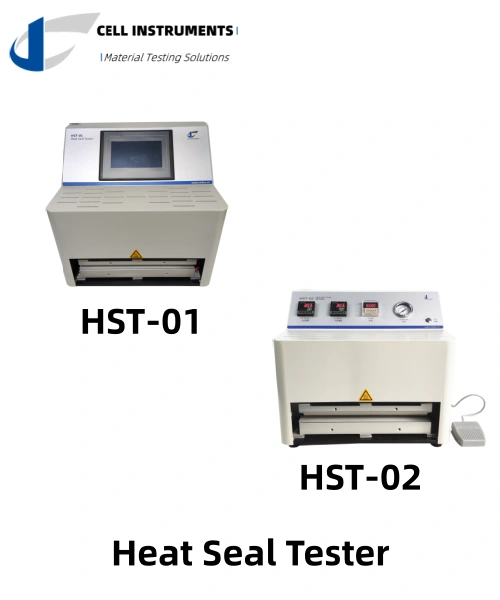
For manufacturers and quality control teams looking to accurately test the heat seal strength of frozen food bags, the Cell Instruments Heat Seal Tester HST-01 offers a reliable and efficient solution. This advanced tester is specifically designed for assessing the seal strength of various packaging materials, including frozen food bags.
The HST-01 provides precise measurements of heat seal strength, allowing users to identify weak spots and ensure that seals meet industry standards. This tool plays a critical role in optimizing packaging performance and minimizing the risk of product failure during transportation or storage.
Conclusion
Heat seal testing is an essential process for ensuring the integrity and safety of frozen food bags. By following the guidelines set forth in ASTM F2029, manufacturers can effectively evaluate the strength of heat seals on packaging materials. This process ensures that packaging meets the necessary performance standards, helping protect food products and maintain quality throughout their shelf life.
For the most accurate results, the use of advanced testing equipment like the Cell Instruments Heat Seal Tester HST-01 is highly recommended. This tool provides precise measurements and allows manufacturers to optimize their packaging processes, ensuring the highest level of performance for frozen food bags.