
Milk pouches are widely used for packaging dairy products due to their lightweight and flexible properties. However, the effectiveness of a milk pouch in maintaining product quality largely depends on the strength of its heat seal. Heat seal testing, specifically ASTM F2029, plays a crucial role in determining the sealability and durability of the packaging material. In this article, we will explore the process of heat seal testing, how it ensures heat seal strength, and its significance in the packaging of milk pouches.
Understanding Heat Seal Testing: ASTM F2029 Standard
Heat seal testing is used to evaluate the strength of seals formed in flexible barrier materials, such as those used in milk pouches. The ASTM F2029 standard defines laboratory practices for preparing heat seals and testing them to determine their heat sealability. This test method is essential in ensuring that the packaging is secure and that the seal will not fail during the distribution process, which can lead to contamination or spoilage of the contents.
The ASTM F2029 standard focuses on determining the heat seal strength of flexible materials. It provides guidelines for the preparation of seals using a sealer that employs hot-bar or impulse sealing methods, commonly used in packaging industries. This test is crucial in industries like dairy production, where maintaining the integrity of packaging, such as milk pouches, is essential to product quality and safety.
Key Points Covered by ASTM F2029:
- Seal Strength Testing: Determines the ability of the heat seal to withstand external forces without failing.
- Temperature and Pressure Parameters: Defines the required sealing temperature and pressure for optimal seal quality.
- Material Compatibility: Ensures that the materials used for sealing are compatible and provide adequate strength when sealed.
By following ASTM F2029, manufacturers can simulate and assess the conditions that milk pouches will face during their lifecycle, ensuring that the packaging can withstand transportation and handling without compromising the contents inside.
The Process of Heat Seal Testing
Heat seal testing involves creating seals on test specimens of the packaging material using a laboratory heat sealer. The process is as follows:
- Calibration and Setup: Before conducting the test, the heat sealer is calibrated, and the jaws are aligned for parallelism to ensure consistent results.
- Temperature Settings: The sealing temperature is adjusted based on the type of material being tested. Both jaws of the sealer are typically set to the same temperature for uniform sealing.
- Dwell Time: The time for which the material is exposed to heat is controlled. The dwell time, along with the pressure and temperature, directly impacts the strength of the seal.
- Sealing Pressure: A specific pressure, typically in the range of 276 to 483 kPa, is applied to ensure that the materials bond effectively.
- Seal Strength Testing: After the heat seal is formed, the strength of the seal is tested. This is typically done using Test Method F88, which measures the force required to break the seal.
For milk pouches, the sealing strength must be sufficient to prevent any leakage or contamination during handling, storage, and transportation. By accurately assessing the heat seal strength, manufacturers can ensure that their products meet safety and quality standards.
The Importance of Heat Seal Strength in Milk Pouches
The heat seal strength is a critical parameter for milk pouches and other flexible packaging materials. A weak seal can cause leakage, leading to product spoilage, contamination, and financial losses. Effective heat seal testing ensures that the milk pouches are durable and secure, providing a protective barrier against external factors like air, moisture, and bacteria.
Factors that influence heat seal strength include:
- Material Properties: The composition of the packaging material affects how well it can be sealed. For example, multi-layered or coated materials may require specific sealing conditions.
- Sealing Conditions: The temperature, pressure, and dwell time used during the sealing process must be optimized for the material being tested.
- Environmental Factors: Environmental conditions such as humidity and temperature can affect the sealing process, making it important to control these variables during testing.
ASTM F2029 and its Role in Milk Pouch Packaging
ASTM F2029 provides a reliable and standardized approach for assessing the heat seal strength of materials used in packaging, including milk pouches. The test helps manufacturers ensure that the heat seals created during the packaging process are strong enough to protect the product throughout its journey from production to the consumer.
Benefits of ASTM F2029 for Milk Pouch Manufacturers:
- Consistency: Ensures that milk pouches meet the required seal strength standards for every batch.
- Quality Assurance: Helps manufacturers maintain consistent packaging quality by identifying potential issues early in the production process.
- Optimized Packaging Performance: Allows manufacturers to fine-tune sealing parameters to achieve the best seal strength and performance for milk pouches.
- Regulatory Compliance: Ensures that packaging meets industry standards, which is critical for regulatory approval in the food and beverage industry.
Cell Instruments HST-01 Heat Seal Tester: A Solution for Accurate Heat Seal Testing
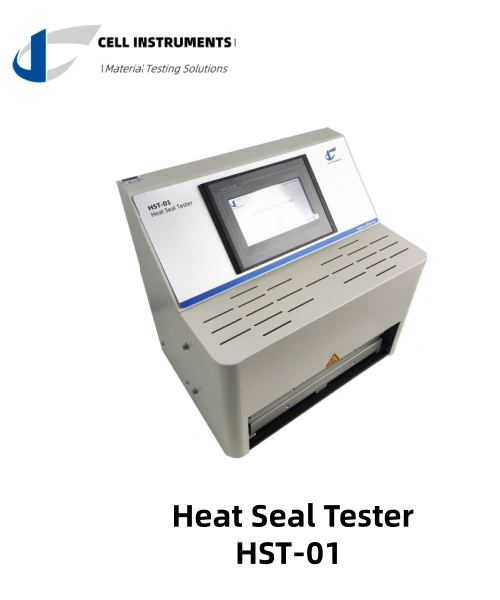
The Cell Instruments HST-01 Heat Seal Tester is a reliable tool for conducting heat seal testing in accordance with ASTM F2029. It offers precise control over sealing conditions, allowing for accurate testing of heat seal strength in various materials, including milk pouches.
Features of the Cell Instruments HST-01 Heat Seal Tester:
- Adjustable Sealing Parameters: Temperature, pressure, and dwell time can be easily adjusted to meet the requirements of different packaging materials.
- Ease of Use: The device is user-friendly, making it suitable for both experienced technicians and quality control personnel.
- Reliable Results: Provides consistent and repeatable results for heat seal strength testing, helping manufacturers ensure product quality and integrity.
The HST-01 Heat Seal Tester is an excellent choice for manufacturers looking to improve the quality and reliability of their milk pouches and other flexible packaging products.
Conclusion
Heat seal testing is an essential step in ensuring the quality and integrity of milk pouches. By following ASTM F2029 standards, manufacturers can optimize their sealing processes to ensure that their packaging can withstand the challenges of distribution and handling. Testing heat seal strength helps maintain product quality, prevent leaks, and comply with industry standards. The Cell Instruments HST-01 Heat Seal Tester is a powerful tool that allows manufacturers to perform precise and reliable heat seal testing, ensuring the long-lasting performance of milk pouches.